











Kredyt hipoteczny w Hiszpanii – co trzeba wiedzieć przed zakupem nieruchomości?
Zakup domu lub mieszkania w Hiszpanii nie zawsze musi być finansowany wyłącznie z własnych środków. Hiszpańskie banki udzielają kredytów hipotecznych także cudzoziemcom, w tym osobom, które nie mieszkają na stałe w Hiszpanii.
Warunki dla rezydentów i nierezydentów nie są jednak takie same. Bank może sfinansować inną część wartości nieruchomości, dokładniej sprawdzić źródło dochodów albo poprosić o dodatkowe dokumenty. Dlatego jeszcze przed rozpoczęciem poszukiwań dobrze jest wiedzieć, jakiego wkładu własnego potrzebujesz, jakie koszty nie zostaną objęte kredytem i ile czasu może zająć cała procedura.
W tym przewodniku wyjaśniamy, jak wygląda finansowanie zakupu nieruchomości w Hiszpanii, jakie kredyty oferują banki i na co zwracają uwagę przy ocenie zagranicznych klientów.

Czy cudzoziemiec może otrzymać kredyt hipoteczny w Hiszpanii?
Tak. Hiszpańskie przepisy nie wykluczają z finansowania osób, które nie są rezydentami kraju ani obywatelami Unii Europejskiej.
Banki w Hiszpanii od lat obsługują klientów zagranicznych. Możesz więc złożyć wniosek o kredyt, mieszkając w Polsce, Niemczech, Stanach Zjednoczonych, Zjednoczonych Emiratach Arabskich lub w innym kraju. Najważniejsze jest to, czy spełniasz wymagania finansowe konkretnego banku.
Duże znaczenie ma miejsce rezydencji podatkowej. Osoby przebywające w Hiszpanii ponad 183 dni w roku i rozliczające tam podatki zazwyczaj mogą liczyć na korzystniejsze warunki. Przy zakupie nieruchomości na własne potrzeby mieszkaniowe banki często finansują do 80% jej wartości.
W przypadku nierezydentów finansowanie jest zwykle niższe. Większość banków oferuje od 60% do 70% ceny zakupu lub wartości określonej przez rzeczoznawcę – pod uwagę bierze się niższą z tych dwóch kwot. Pozostałą część ceny kupujący musi pokryć z własnych środków.
Obywatelstwo kraju należącego do UE może ułatwić sprawdzenie dokumentów dochodowych, ale samo w sobie nie gwarantuje przyznania kredytu.
Jaką kwotę może pożyczyć nierezydent?
Nie ma jednej kwoty ani jednego poziomu finansowania odpowiedniego dla wszystkich klientów. Bank analizuje całą sytuację wnioskodawcy, a nie tylko wysokość jego miesięcznych dochodów.
Znaczenie mają między innymi:
- status rezydencji podatkowej,
- wysokość i regularność dochodów,
- wiek wnioskodawcy,
- obecne kredyty i inne zobowiązania,
- wartość nieruchomości potwierdzona niezależną wyceną.
Nierezydenci najczęściej otrzymują od 60% do 70% ceny zakupu lub wartości z wyceny. Rezydenci podatkowi mogą w niektórych przypadkach uzyskać wskaźnik LTV na poziomie 80%. Ostateczna decyzja zawsze zależy od banku i profilu finansowego klienta.
Ile własnych środków trzeba przygotować?
Przy zakupie z kredytem nie wystarczy zgromadzić pieniędzy na sam wkład własny. Podatki i większość kosztów transakcyjnych trzeba pokryć oddzielnie, ponieważ bank zwykle ich nie finansuje.
W budżecie należy uwzględnić:
- wymagany wkład własny,
- podatek od przeniesienia własności ITP albo VAT – zależnie od rodzaju nieruchomości,
- opłatę skarbową i koszty notarialne,
- opłaty za wpis do Rejestru Nieruchomości,
- koszty obsługi prawnej i administracyjnej,
- koszt wyceny nieruchomości,
- ewentualne opłaty związane z uruchomieniem kredytu.
Przy zakupie nieruchomości w Hiszpanii o wartości 400 000 € sam wkład własny może wynieść od 120 000 € do 160 000 €, zależnie od tego, jaką część ceny sfinansuje bank.
Po doliczeniu podatków i pozostałych wydatków nierezydent powinien zwykle dysponować środkami odpowiadającymi około 30%–40% ceny zakupu. Przy nieruchomości wartej 400 000 € oznacza to budżet w wysokości około 160 000 €–180 000 €.
Dokładniejsze zestawienie znajdziesz w poradniku: Koszty zakupu nieruchomości w Hiszpanii.
Jakie kredyty hipoteczne oferują hiszpańskie banki?
Do wyboru są trzy podstawowe warianty: oprocentowanie stałe, zmienne i mieszane. Każde rozwiązanie ma inną konstrukcję, dlatego decyzja powinna uwzględniać nie tylko wysokość pierwszej raty, lecz także planowany okres kredytowania, walutę dochodów i podejście do ryzyka.
Kredyt ze stałym oprocentowaniem
Oprocentowanie nie zmienia się przez cały okres kredytowania. Dzięki temu od początku wiadomo, ile będzie wynosiła miesięczna rata, co ułatwia planowanie domowego budżetu.
Szacunkowe oprocentowanie takich kredytów mieści się zwykle w przedziale od 2% do 4%. Dla dobrze ocenianych nierezydentów najbardziej konkurencyjne oferty w 2026 roku zaczynają się od około 2,55%.
Kredyt ze zmiennym oprocentowaniem
W tym przypadku oprocentowanie jest obliczane na podstawie wskaźnika Euribor oraz marży banku. Rata może więc zmieniać się w trakcie spłaty.
Gdy Euribor spada, koszt kredytu może być niższy. Kiedy wskaźnik rośnie, zwiększają się również miesięczne płatności. Średni poziom oprocentowania wynosi około 3%, a na początku 2026 roku Euribor utrzymywał się na poziomie około 2,25%–2,56%.
Kredyt z oprocentowaniem mieszanym
To połączenie oprocentowania stałego i zmiennego. Przez pierwsze 2–5 lat rata jest oparta na stałej stopie, a później oprocentowanie zaczyna zależeć od Euribor.
Taki wariant może odpowiadać osobom, które chcą zachować przewidywalność w pierwszych latach spłaty albo zakładają, że nie będą posiadały nieruchomości przez cały okres kredytowania.
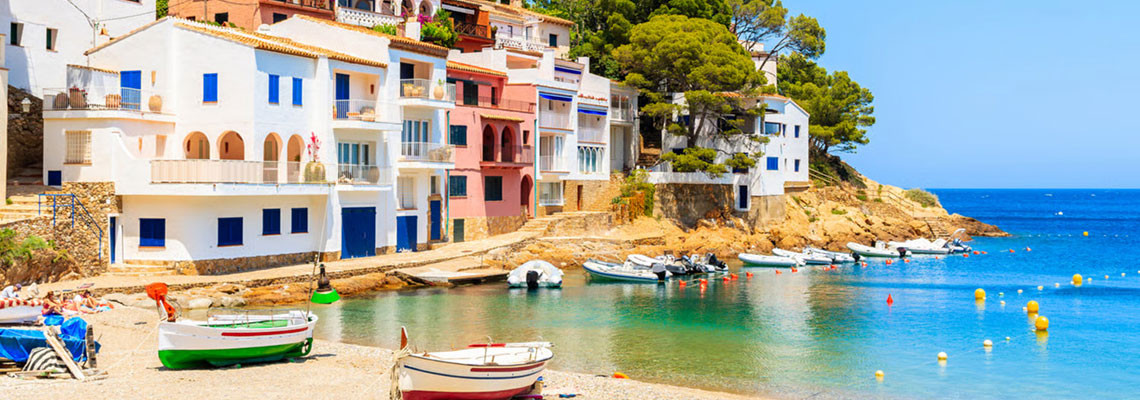
Warunki finansowania zależnie od rodzaju zakupu
Banki biorą pod uwagę nie tylko sytuację finansową klienta, ale także przeznaczenie nieruchomości i sposób jej zakupu.
- Kredyt dla rezydenta: osoba będąca rezydentem podatkowym w Hiszpanii może otrzymać do 80% wartości nieruchomości kupowanej jako główne miejsce zamieszkania.
- Kredyt na drugi dom lub nieruchomość wakacyjną: nierezydenci najczęściej mogą liczyć na finansowanie w wysokości 60%–70% wartości nieruchomości.
- Zakup nieruchomości w budowie: wstępną decyzję kredytową można uzyskać już na etapie rezerwacji. Bank ponownie sprawdza sytuację klienta w trakcie realizacji inwestycji, a ostateczne finansowanie uruchamiane jest przy odbiorze nieruchomości. Taki model jest często spotykany przy nowych projektach na Costa del Sol i Costa Blanca.
- Zakup działki i budowa domu: finansowanie jest możliwe, ale bank wymaga bardziej szczegółowej dokumentacji technicznej i finansowej projektu.
- Zakup kolejnej nieruchomości inwestycyjnej: osoby posiadające już nieruchomość w Hiszpanii lub Portugalii mogą w niektórych przypadkach uzyskać finansowanie do 50% wartości nowego lokalu.
- Nieruchomości o wartości powyżej 1 mln €: przy współpracy z bankowością prywatną i odpowiednim zabezpieczeniu aktywów możliwe bywa finansowanie nawet do 100% wartości. Każdy taki przypadek jest jednak szczegółowo analizowany.
- Uwolnienie kapitału z posiadanej nieruchomości: właściciel planujący zakup kolejnego lokalu może czasem skorzystać z finansowania opartego na podwójnym zabezpieczeniu. W ten sposób można uzyskać nawet do 90% środków na nowy zakup jeszcze przed sprzedażą obecnej nieruchomości.
Od czego zależy oprocentowanie?
Oprocentowanie nie jest ustalane wyłącznie na podstawie jednej tabeli bankowej. Oferta jest przygotowywana indywidualnie i może wyglądać inaczej nawet przy nieruchomościach o podobnej wartości.
Bank analizuje między innymi:
- kwotę kredytu,
- wskaźnik LTV,
- status rezydencji podatkowej,
- rodzaj nieruchomości,
- wysokość i źródło dochodów,
- wybrany rodzaj oprocentowania,
- warunki rynkowe w chwili składania wniosku.
Na ofertę wpływa także sytuacja na europejskich rynkach finansowych i poziom Euribor. Gdy warunki rynkowe się zmieniają, banki aktualizują marże, oprocentowanie i dostępność produktów hipotecznych.
Część warunków można negocjować. Wykupienie w banku ubezpieczenia nieruchomości lub polisy na życie, a także regularne przelewanie wynagrodzenia na prowadzone w nim konto, może pomóc w uzyskaniu niższego oprocentowania.
Jakie dokumenty są potrzebne?
Każdy bank może stosować nieco inną listę dokumentów. Najczęściej trzeba przygotować:
- kopię ważnego paszportu,
- numer NIE – hiszpański numer identyfikacji podatkowej dla cudzoziemców,
- akt małżeństwa – jeśli dotyczy,
- potwierdzenie zatrudnienia lub prowadzenia działalności gospodarczej,
- zeznania podatkowe, zwykle za dwa ostatnie lata,
- aktualne paski płacowe lub sprawozdania finansowe firmy,
- podpisaną umowę zakupu nieruchomości,
- potwierdzenie uregulowania podatków dotyczących nieruchomości,
- informacje o obecnych kredytach i innych zobowiązaniach,
- zestawienie aktywów i zobowiązań,
- kopie aktów własności innych nieruchomości w Hiszpanii lub za granicą – jeśli dotyczy,
- raport kredytowy z kraju zamieszkania, szczególnie w przypadku nierezydentów.
Dokumenty powinny być przygotowane po hiszpańsku lub angielsku. Jeżeli wymagane jest tłumaczenie, musi ono mieć formę poświadczoną.
Jak przebiega procedura kredytowa?
1. Ocena sytuacji finansowej: bank sprawdza dochody, majątek, obecne zobowiązania i zdolność do regularnej spłaty rat.
2. Wstępna decyzja: jeśli profil klienta spełnia wymagania, bank może wydać wstępną zgodę na finansowanie.
3. Wycena nieruchomości: niezależny rzeczoznawca określa jej wartość rynkową na zlecenie banku.
4. Ostateczna oferta: po analizie dokumentów i wyceny bank przedstawia końcowe warunki kredytu.
5. Podpisanie dokumentów u notariusza: akt kredytu hipotecznego i akt przeniesienia własności są podpisywane przed hiszpańskim notariuszem. W tym momencie transakcja zostaje sfinalizowana.
Przy kompletnej dokumentacji wstępna decyzja może zostać wydana w czasie krótszym niż 2 tygodnie. Ostateczne zatwierdzenie kredytu zajmuje zwykle około 6–8 tygodni. Najczęstszą przyczyną opóźnień są brakujące dokumenty lub konieczność wykonania dodatkowych tłumaczeń.
Czy można otrzymać kredyt po 60. roku życia?
Tak. Wiek ma znaczenie przy ustalaniu okresu kredytowania, ale sam w sobie nie przekreśla szans na finansowanie. Bank ocenia przede wszystkim, czy klient będzie w stanie spłacać raty w ustalonym terminie.
Większość banków przyjmuje, że ostatnia rata powinna zostać spłacona przed ukończeniem przez kredytobiorcę około 70–75 lat. Im starszy wnioskodawca, tym krótszy będzie więc dostępny okres kredytowania.
Dla osoby w wieku 60 lat typowy maksymalny okres spłaty wynosi około 10 lat, choć niektóre banki dopuszczają 15 lat. W przypadku osoby mającej 50 lat okres może wynieść około 20 lat.
Krótszy czas spłaty oznacza wyższą ratę przy tej samej kwocie kredytu. Z tego powodu przed złożeniem wniosku warto dokładnie sprawdzić, czy miesięczne obciążenie będzie dopasowane do budżetu.
Banki akceptują również dochody emerytalne. Udokumentowany miesięczny dochód na poziomie co najmniej 2 000 € zwykle ułatwia procedurę. Nadal liczą się jednak dobra historia kredytowa, stabilne wpływy i rozsądny poziom zadłużenia.
Co może zwiększyć szanse na otrzymanie kredytu?
- Ograniczenie obecnego zadłużenia. Spłata kredytu gotówkowego, leasingu samochodowego lub zadłużenia na karcie może poprawić relację zobowiązań do dochodu.
- Przejrzyste dokumenty dochodowe. Banki najlepiej oceniają regularne i łatwe do potwierdzenia dochody z pracy, działalności gospodarczej lub emerytury. Zazwyczaj analizowane są dokumenty z dwóch ostatnich lat.
- Dodatkowe produkty bankowe. Ubezpieczenie domu, polisa na życie albo regularne wpływy na konto w banku kredytującym mogą obniżyć oprocentowanie nawet o 0,2%–0,5%.
- Negocjowanie warunków. Przy dobrym profilu finansowym można rozmawiać o wysokości marży, prowizjach i zakresie dodatkowych produktów.
- Dobór odpowiedniego banku. Poszczególne instytucje inaczej oceniają nierezydentów, dochody z zagranicy i dokumenty przygotowane poza Hiszpanią. Wybór banku dopasowanego do sytuacji klienta może skrócić procedurę i ograniczyć ryzyko opóźnień.
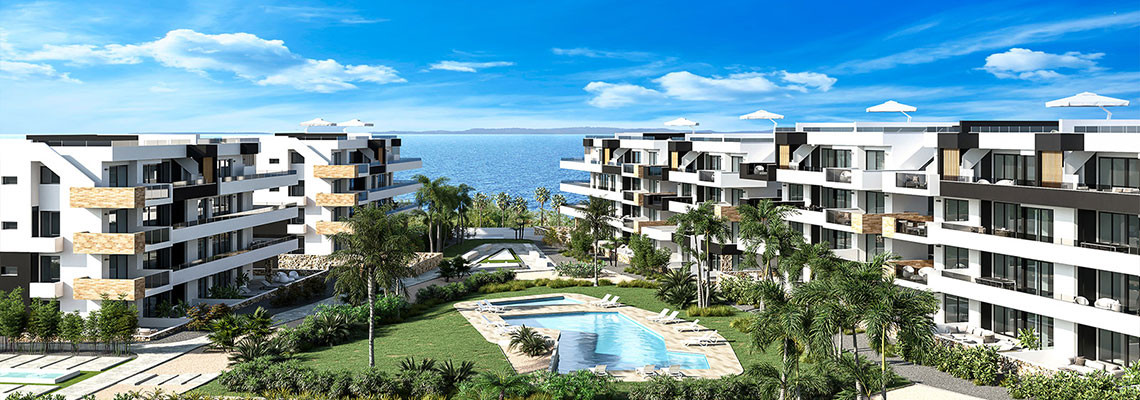
Plan płatności od dewelopera jako alternatywa dla kredytu
Kredyt hipoteczny nie jest jedynym sposobem rozłożenia płatności. Przy zakupie nieruchomości w budowie deweloperzy często proponują harmonogram wpłat dostosowany do kolejnych etapów realizacji projektu.
Najczęściej kupujący wpłaca 20%–30% wartości nieruchomości, a pozostała część ceny zostaje podzielona na transze płatne w trakcie budowy. Nie są to raty kredytowe, dlatego zazwyczaj nie nalicza się od nich odsetek. Każda wpłata stanowi po prostu część ceny zakupu.
Końcowa kwota jest zwykle regulowana przy przeniesieniu własności. Na tym etapie kupujący może pokryć ją z własnych środków albo uruchomić kredyt hipoteczny na pozostałą część ceny.
Takie rozwiązanie odpowiada osobom, które nie chcą od razu angażować całej dostępnej gotówki, wolą rozłożyć wydatki na czas budowy albo planują zakup w nowym projekcie.
Porozmawiajmy o finansowaniu nieruchomości w Hiszpanii
Uzyskanie kredytu hipotecznego w Hiszpanii jest możliwe także dla osób mieszkających za granicą. Najwięcej problemów pojawia się zwykle nie z powodu samego statusu nierezydenta, lecz przez źle oszacowany budżet, niekompletne dokumenty albo wybór banku, którego wymagania nie pasują do sytuacji klienta.
TERRA Real Estate ® działa od 2004 roku i obsługuje klientów międzynarodowych zainteresowanych zakupem nieruchomości za granicą. Pomagamy uporządkować budżet, zrozumieć dostępne formy finansowania, porównać oferty oraz skoordynować kolejne etapy zakupu z odpowiednimi specjalistami.
TERRA Real Estate ® jest członkiem AIPP (Association of International Property Professionals) i była wielokrotnie wyróżniana przez prestiżowy konkurs European Property Awards. Członkostwo i nagrody odzwierciedlają nasze podejście do przejrzystej komunikacji i obsługi klientów międzynarodowych.
TERRA Real Estate ® to licencjonowana agencja nieruchomości, działająca od 2004 roku. Jako autoryzowana firma posiadamy Certyfikat Uprawniający do Obrotu Nieruchomościami, wydany i zatwierdzony przez Ministerstwo Handlu Turcji.
Planujesz zakup nieruchomości w Hiszpanii i chcesz omówić możliwości finansowania?
- Telefon: +90 242 512 25 00
- Napisz do naszego doradcy
- WhatsApp: +90 532 218 46 89 (obsługa w języku polskim)