











Buying Property in Florida: Guide for International Buyers
Buying property in Florida is possible for most international buyers, including those who do not live in the U.S. (United States). The process is structured, but it differs from many European, Mediterranean, and Middle Eastern real estate transactions because it usually involves a title company, escrow account, inspection, insurance review, and, if financing is used, a mortgage lender.
For overseas buyers, Florida is often considered for vacation homes, second residences, rental properties, relocation, and long-term ownership. The right purchase depends on location, permitted use, ownership costs, HOA (Homeowners’ Association) rules, and the buyer’s plan for personal use or rental income.
Can Foreigners Buy Property in Florida?
Yes. Most foreign nationals can buy real estate in Florida, including houses, condos, townhouses, villas, land, and investment properties. A buyer does not usually need U.S. citizenship, U.S. permanent residency, or a U.S. visa to purchase a standard residential property.
However, foreign ownership is not completely unrestricted. Under Florida Statutes Chapter 692, certain buyers connected to designated countries of concern may face restrictions when purchasing agricultural land or real estate near military installations and critical infrastructure. These rules can depend on the buyer’s citizenship, domicile, company structure, ownership chain, and the exact location of the property.
Some transactions may require a buyer affidavit confirming compliance with Florida’s foreign ownership rules. In practice, title companies may request additional compliance forms during closing, especially when the buyer’s background or ownership structure requires review. Buyers who may fall within these categories should obtain legal advice before making an offer.
Where to Buy Property in Florida
Florida’s real estate market is highly regional, so location should be chosen according to the buyer’s intended use, property type, ownership costs, and long-term plans.
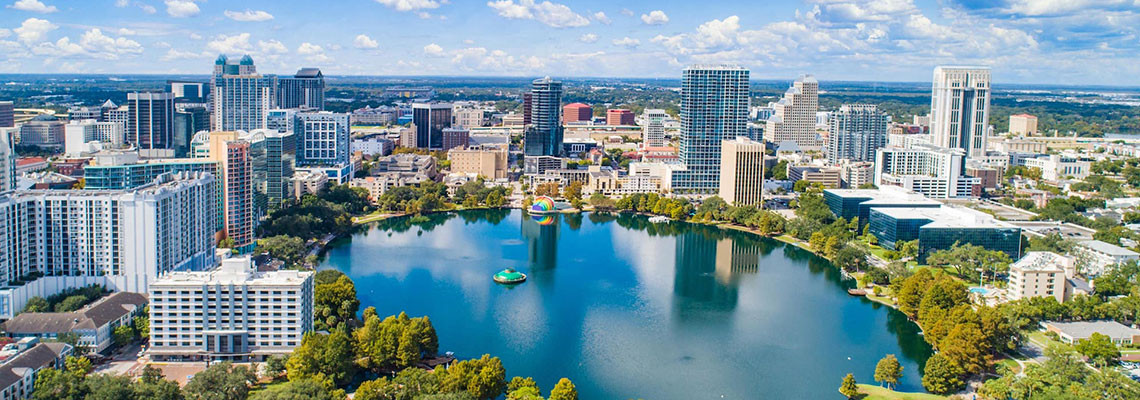
Orlando and Central Florida
Orlando and Central Florida are among the main areas for international buyers seeking vacation homes, resort properties, and family-oriented residential communities. The region offers single-family homes, townhouses, condos, and resort villas, with many communities designed around tourism, golf, shopping, healthcare, and access to major theme parks.
Kissimmee, Davenport, Reunion, and ChampionsGate
Kissimmee, Davenport, Reunion, and ChampionsGate are closely associated with vacation-home ownership near Walt Disney World and other major attractions. The property selection includes furnished villas, townhouses, private pool homes, and resort communities with clubhouse facilities, golf access, and professional property management options. These areas are often considered by buyers who want to combine personal holiday use with guest rental potential.
Winter Garden, Windermere, and Lake Nona
Winter Garden, Windermere, and Lake Nona are more residential in character and often suit buyers planning relocation, long-term ownership, or family living in the Orlando area. These locations offer access to schools, medical facilities, shopping districts, business areas, and established neighborhoods, with a stronger focus on daily comfort than tourism-driven rental use.
Miami and South Florida
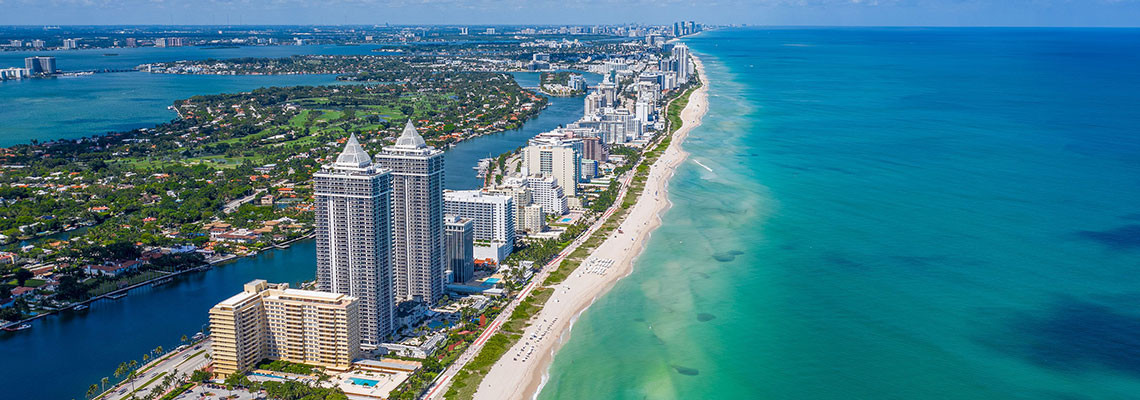
Miami, Fort Lauderdale, Palm Beach, and nearby coastal areas are shaped by international ownership, luxury condos, waterfront homes, business links, and second-home demand. The market includes high-rise apartments, branded residences, marina-side homes, and premium coastal properties, making this part of Florida relevant for buyers focused on urban living, lifestyle, and international connectivity.
Gulf Coast and Southwest Florida
Sarasota, Naples, Cape Coral, Fort Myers, Punta Gorda, and nearby Gulf Coast areas often appeal to buyers seeking coastal living, boating access, retirement use, or lower-density residential communities. The property selection includes waterfront homes, condos, single-family houses, golf communities, and homes suited to seasonal or long-term stays.
Documents Needed to Buy Property in Florida
The required documents depend on whether the purchase is cash or financed and whether the buyer purchases personally or through a company.
Common documents include:
- valid passport
- proof of address
- proof of funds
- bank statements
- source of funds documentation, often requested for international wire transfers, escrow clearance, or compliance checks
- contact information for the buyer’s bank
- company documents, if buying through a company
- POA (Power of Attorney), if another person will sign on behalf of the buyer
If financing is used, the lender may also request income documents, tax returns, asset statements, credit references, and proof of reserve funds. Buyers purchasing through an LLC (Limited Liability Company) may need company formation documents and ownership details. Foreign buyers may also need an ITIN (Individual Taxpayer Identification Number) for U.S. tax matters, especially if they receive rental income, file U.S. tax returns, or sell the property later.
Step-by-Step Process of Buying Property in Florida
1. Define the Purpose and Budget
The first step is to decide how the property will be used and calculate the full budget, including closing costs, property tax, insurance, HOA or condo fees, utilities, management, maintenance, and rental licensing costs if applicable.
2. Choose the Area and Property Type
After the purpose is clear, the search can be narrowed by area, property type, community rules, and rental permission. In Central Florida, this is especially important because a property near the attractions is not automatically approved for short-term rentals.
3. Make an Offer
Before touring properties or making an offer, buyers may need to sign a written buyer agreement with their real estate agent, especially for MLS (Multiple Listing Service) listings. This clarifies the agent’s role and compensation terms.
When the buyer selects a property, the agent prepares an offer with the purchase price, deposit amount, closing date, inspection period, financing terms if applicable, and any requested inclusions. The inspection period allows the buyer to inspect the property, review documents, and cancel under agreed conditions if they are not satisfied.
4. Pay the Escrow Deposit
After the offer is accepted, the buyer sends an escrow deposit to a neutral third party, usually a title company or attorney, not directly to the seller. The escrow deposit is later credited toward the purchase price and closing costs.
5. Complete Inspection and Due Diligence
A licensed home inspector checks the physical condition of the property, including the roof, structure, HVAC (heating, ventilation, and air conditioning) system, plumbing, electrical systems, and pool equipment. Roof age and condition are especially important in Florida because insurers may scrutinize them when pricing or approving coverage.
For condos and homes in managed communities, the buyer should also review association documents, budgets, reserve funds, monthly fees, rental rules, and pending or planned special assessments.
6. Title Search and Closing
A title company checks public records to confirm ownership and identify liens, unpaid taxes, or mortgages. Title insurance is common in Florida to protect against covered defects discovered after closing.
Closing is the final settlement where the buyer signs documents, transfers the remaining funds, the seller signs the deed, and ownership officially passes to the buyer.
Costs of Buying Property in Florida
Typical purchase-related costs include title search, title insurance, closing fees, recording fees, inspection fees, and survey fees.
Documentary stamp tax is a Florida tax applied to deeds that transfer real property:
- in most Florida counties: $0.70 per $100 of the property consideration
- in Miami-Dade County: $0.60 per $100, with an additional surtax applying to non-single-family properties.
If financing is used, additional intangible and note stamp taxes apply to the mortgage documents.
Ongoing costs include:
- property tax
- homeowners’ and flood insurance
- HOA or condo fees
- utilities
- pest control
- landscaping
- property management.
Insurance premiums can vary significantly depending on location, roof age, construction type, flood zone, and hurricane exposure.
FIRPTA and Tax Issues for Foreign Buyers
Foreign buyers should understand FIRPTA (Foreign Investment in Real Property Tax Act), a U.S. federal withholding rule that applies when a foreign person sells U.S. real property.
The standard FIRPTA withholding rate is generally 15% of the amount realized on the sale, often close to the gross sale price. This is a withholding mechanism to secure potential capital gains tax, not the final tax bill, and the seller may file U.S. tax returns to calculate final liability or request a refund. Tax and legal structuring advice should always come from qualified professionals.
FAQ About Buying Property in Florida
Q: Can foreigners buy property in Florida?
A: Yes. Most foreign nationals can buy property in Florida. Some buyers connected to designated countries of concern may face restrictions under Chapter 692 of the Florida Statutes, depending on the property type, location, buyer status, and ownership structure.
Q: Do I need a U.S. visa to buy property in Florida?
A: No. A U.S. visa is not required to buy property, and property ownership does not automatically grant the right to live in the United States.
Q: Can I buy property in Florida remotely?
A: Yes. Many transactions can be completed remotely using digital communication, title company coordination, secure wire transfers, and, where accepted, RON (Remote Online Notarization).
Q: Can I rent out my Florida property?
A: Yes, provided that the exact city zoning, county regulations, and specific HOA or condo association rules explicitly permit guest rentals.
Q: Is a lawyer required when buying property in Florida?
A: A lawyer is not legally required for many standard residential transactions because title companies often handle the closing process. However, independent legal counsel is highly recommended for international buyers, especially when the purchase involves cross-border compliance, company ownership, rental use, or foreign ownership restrictions.
Start Your Florida Property Search with TERRA Real Estate ®
Buying property in Florida is easier with clear local guidance, especially when the purchase involves rental use, remote buying, foreign ownership rules, or ongoing property management.
TERRA Real Estate ® assists international clients with overseas property purchases and supports buyers considering Florida through cooperation with reliable local partners. Since 2004, our team has worked with international buyers across Turkey, Northern Cyprus, Spain, the UAE, and Florida, helping clients approach overseas real estate markets with clearer expectations and better preparation.
Browse our Florida properties for sale or contact TERRA Real Estate ® to discuss your budget, preferred location, and intended use. Our team can help you compare suitable options and understand the next steps before you make a decision.
* Disclaimer: This guide is provided for informational purposes only and does not constitute formal legal, financial, or tax advice. Florida real estate regulations, insurance compliance rules, and tax codes may change. International buyers should consult qualified professionals regarding their specific circumstances, including FIRPTA, ownership structure, rental compliance, and foreign ownership restrictions under Chapter 692 of the Florida Statutes.